What exactly is an R-value, and why does it matter for my Leander home?
Alright, let's cut to the chase. R-value is just a fancy way of saying how well your insulation resists heat flow. The 'R' stands for resistance, plain and simple. A higher R-value means better insulation, which means less heat getting into your attic in the summer and less heat escaping your home in the winter. Think of it like a really good blanket for your house, honestly. Here in Leander, especially with our scorching summers and those occasional chilly snaps, a good R-value is crucial. It’s what keeps your AC from running non-stop and your heating bill from going through the roof. For attics in our climate zone, we typically recommend R-38 to R-60. This depends on your existing insulation and, of course, the type you choose. It’s not just about comfort; it’s about saving you money on those energy bills year-round.
How do I know if my attic insulation is even doing its job anymore?
This is a question I get a lot, and there are a few tell-tale signs. First, just go up there and take a look. If you see spots where the insulation is matted down, wet, or looks thin and patchy, it's probably not doing much. Another big indicator is your energy bill. If it's suddenly much higher than it used to be, or if you're constantly adjusting your thermostat because some rooms are hot and others are cold, that's a red flag. I've been in plenty of attics in neighborhoods like Mason Creek and found insulation that's settled so much it's barely a few inches thick. You might also notice a lot of dust in your house, or even pest droppings in the attic, which can break down insulation over time. Sometimes, it’s not just about the R-value, but the integrity of the insulation itself.
Is blown-in insulation better than batts for attics?
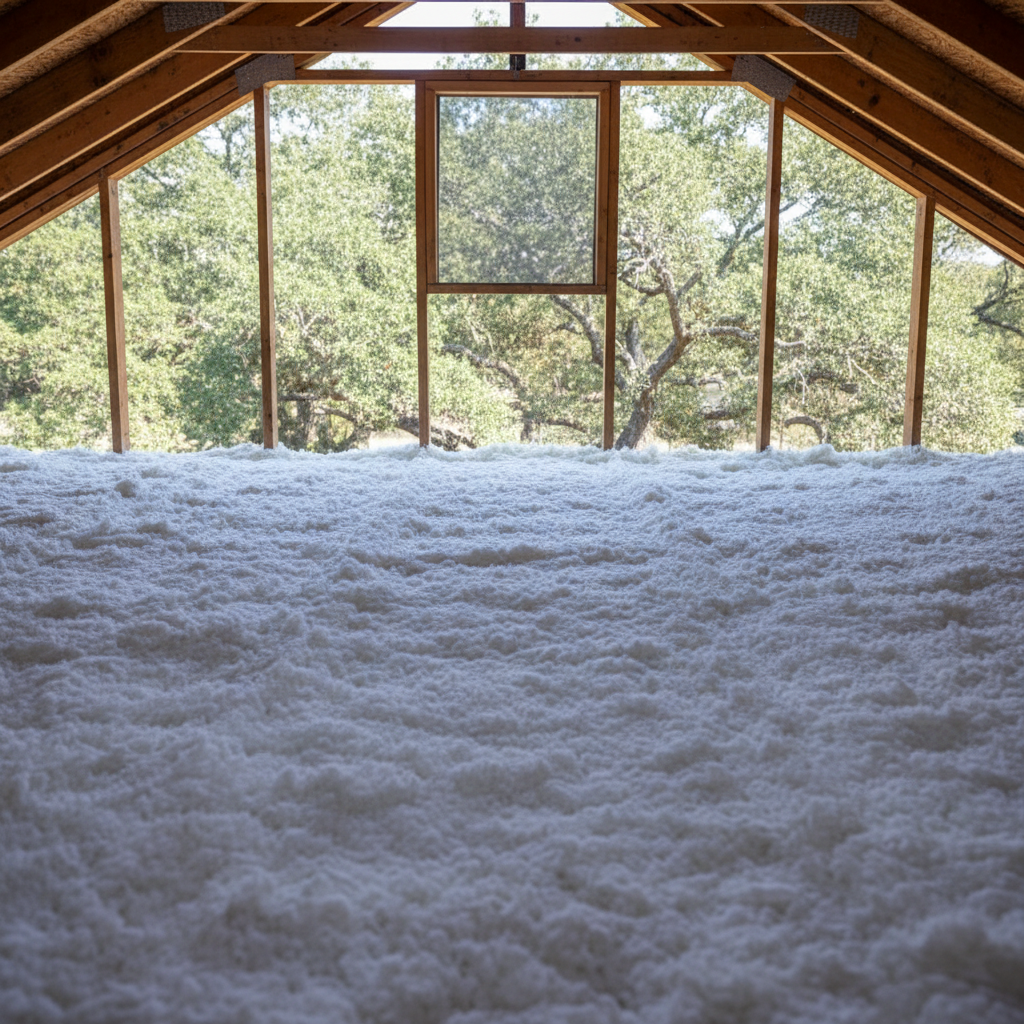
You know, there’s no one-size-fits-all answer here, but for most attics, I'd lean towards blown-in insulation, especially loose-fill fiberglass or cellulose. Here's why: Blown-in insulation does a fantastic job of filling all those odd-shaped gaps, nooks, and crannies you find in an attic. It gets around wiring, pipes, and joists much better than batts can. This creates a more uniform thermal barrier, reducing air leaks and cold spots. Batts, while great for standard wall cavities, can leave gaps in attics if they're not cut and fitted perfectly around every obstruction—and that's a tough job. Those gaps are where you lose efficiency. Blown-in is also often quicker to install. For older homes, it can even be blown right over existing, settled insulation, boosting its R-value without a full tear-out. We use both at Horizon Insulation Solutions, but for attic upgrades, blown-in usually wins out for performance.
What about ventilation? Does that tie into my attic insulation?
Absolutely, 100%. Insulation and ventilation are like two sides of the same coin when it comes to your attic. You can have the best insulation in the world, but if your attic isn't properly ventilated, you're still going to have problems. In the summer, good ventilation helps hot air escape, preventing heat from building up and radiating down into your living space. This also helps your AC run more efficiently. In the winter, it helps prevent moisture buildup, which can lead to mold, mildew, and even rot in your roof decking. We see a lot of homes here in Leander with ridge vents and soffit vents, and they need to be clear and unobstructed to work right. If your vents are blocked by insulation, or if you don't have enough of them, you're not getting the full benefit of your insulation. It’s about creating a system where heat and moisture can move out of the attic, not get trapped in it.
Can I just add more insulation on top of what I already have?
Most of the time, yes, you can. This is actually a pretty common and cost-effective way to boost your home's energy efficiency. If your existing insulation is dry, clean, and in decent shape, we can usually blow new insulation right over it. The R-values just add up. So, if you have R-19 already and we add another R-30, you're up to R-49. The main things we look for are signs of moisture, mold, or pest infestations in the old insulation. If it's contaminated, then we'd recommend removing the old stuff first. Also, we make sure that adding more insulation won't block any existing soffit vents, which goes back to what I was just saying about ventilation. It's a great way to get a significant R-value boost without a massive overhaul.
How long does attic insulation actually last?
That's a good question, and the answer depends a bit on the type. Fiberglass insulation, whether it's batts or blown-in, can last for decades—often 50 to 100 years—as long as it stays dry and undisturbed. Cellulose insulation, which is made from recycled paper, also has a long lifespan, usually 20 to 50 years, but it can be more susceptible to moisture if not properly treated or installed. The biggest enemies of insulation's lifespan aren't necessarily time, but things like water leaks, pest infestations, and excessive foot traffic that compresses it. Once insulation gets wet, compressed, or contaminated, its R-value drops significantly, and it won't perform like it should. So while the material itself might last a long time, its effectiveness can be compromised much sooner if it's not cared for. Regular attic checks can help catch issues before they become big problems.
What's the deal with air sealing? Is it really that important before insulating?
Oh man, air sealing is HUGE. It's probably one of the most overlooked steps, but it's absolutely critical. Think of it this way: insulation is like a warm blanket, but air sealing is like buttoning up your coat. If you've got holes in your coat, that blanket isn't going to do much good. Air leaks in your attic – around light fixtures, plumbing stacks, electrical wires, attic hatches, and even gaps where walls meet the ceiling – let conditioned air escape from your living space and unconditioned attic air sneak in. You can pile on all the insulation you want, but if you haven't sealed those leaks, you're still losing a ton of energy. We always recommend air sealing before we add or upgrade insulation. It's a foundational step that maximizes the effectiveness of your insulation and gives you the biggest bang for your buck in terms of energy savings. It's not just about the insulation; it's about stopping those sneaky air currents that are costing you money.
Will new attic insulation really save me money on my utility bills?
You bet it will. This isn't just me trying to sell you something; it's a fact. When your attic is properly insulated and air-sealed, your HVAC system doesn't have to work nearly as hard to maintain a comfortable temperature in your home. That means it runs less often, uses less electricity or gas, and ultimately, your utility bills go down. We've seen homeowners in Leander save anywhere from 10% to 30% on their heating and cooling costs after upgrading their attic insulation. The exact savings depend on how bad your old insulation was, your home's size, and your personal thermostat habits. But over time, those savings really add up, often paying for the insulation upgrade itself within a few years. It's one of the smartest investments you can make in your home's efficiency and comfort.