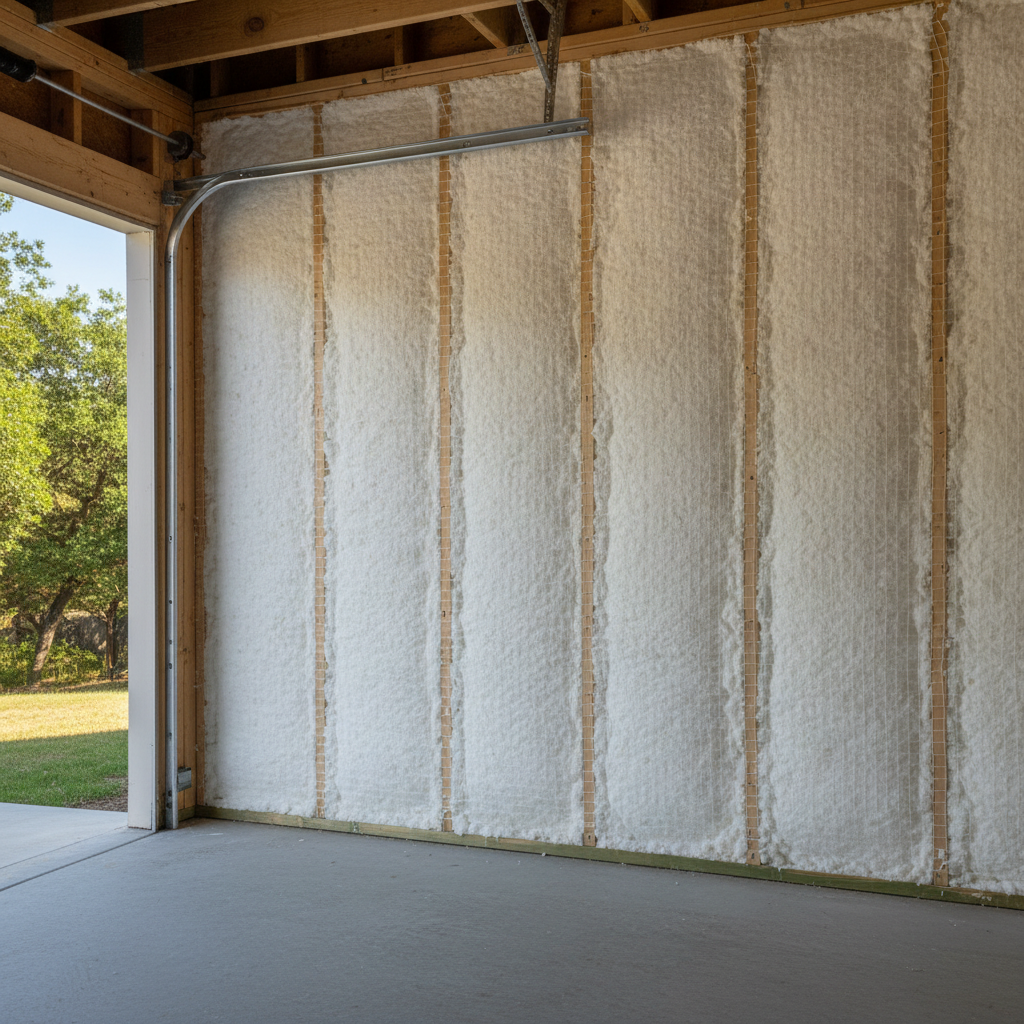
Do I really need to insulate my garage here in Leander?
That's a question I hear all the time, especially when people start looking at their energy bills. My answer? It usually comes down to what you actually *do* in your garage. If it's just for parking your car and stashing a few tools, maybe you don't need to. But if you've got a workshop out there, a home gym, or you're trying to keep the house cooler because the garage shares a wall with your living room, then yeah, you absolutely should think about it. Our Leander summers are brutal, aren't they? That heat just blasts right through uninsulated walls and ceilings, making your AC work overtime to cool the rest of your house. Even if you're not spending a ton of time in there, it's acting like a giant heat sink, practically glued to your home.
What's the best type of insulation for a garage?
For most garages, you've got a few solid options. Fiberglass batts are pretty common, especially if your studs are spaced at standard 16 or 24 inches. They're affordable and get the job done. Blown-in fiberglass or cellulose can work too, particularly if you're insulating the ceiling and there's an attic space above the garage. But for top performance, especially on a garage door, rigid foam boards are tough to beat. They give you a higher R-value per inch, and they're fantastic for sealing up those pesky gaps. For garage doors specifically, you can even find kits with pre-cut foam panels. Ultimately, it boils down to where you're insulating—walls, ceiling, or the door itself—and what kind of R-value you're aiming for.
How much does it cost to insulate a garage in Leander?
This is where it gets a little tricky, because there's no single answer that fits everyone. The cost really depends on your garage's size, the type of insulation you pick, and whether you're doing the walls, ceiling, or just the door. Generally, you might spend a few hundred dollars for a DIY garage door insulation kit. A full wall and ceiling insulation job by professionals could run you a couple of thousand or more. For a typical two-car garage, insulating the walls and ceiling with fiberglass batts might cost anywhere from $1,000 to $3,000, give or take. Rigid foam can be a bit pricier upfront, but it often pays off in better performance. It's an investment, for sure, but consider the energy savings and added comfort you'll get over the years. We can give you a solid quote once we see your specific setup at Horizon Insulation Solutions.
Will insulating my garage really save me money on energy bills?
You bet it can. Like I mentioned, an uninsulated garage is a huge source of heat transfer into your home, especially if it's attached. Just think about those houses in Mason Creek or other neighborhoods where the garage sits right next to a bedroom or living room. That wall gets scorching hot, and that heat just seeps right through. By insulating, you're building a thermal barrier. Your AC won't have to strain as hard to keep the rest of your house cool, and in the winter, your heater won't be fighting cold air leaking in. It might not be a dramatic drop overnight, but over a year, those savings really add up. Plus, your HVAC system will probably last longer because it's not constantly overworked.
Can I insulate my garage door myself, or should I hire a pro?
Insulating a garage door is definitely something a handy homeowner can tackle. There are tons of DIY kits out there with foam panels you cut to size and fit into the door panels. It's not super complicated, but it does take some patience to get a good, tight fit. Now, if you're talking about insulating the garage walls and ceiling, especially if you need to add studs or deal with electrical wiring, that's where I'd really recommend bringing in the pros. We've got the right tools, the experience, and we know how to do it safely and effectively to get you the best R-value and air sealing. A poorly done insulation job just won't give you the benefits you're hoping for.
What about ventilation? Does insulating affect that?
That's a really good point to bring up. When you insulate, you're making the space more airtight, which is generally great for energy efficiency. But in a garage, especially if you're running vehicles or doing projects with fumes, you still need proper ventilation. Insulation doesn't replace the need for an exhaust fan or keeping the door open when you're working with chemicals. In fact, by making the garage more sealed, it might make proper ventilation even *more* critical. So, don't forget about that. You want a comfortable garage, but a safe one too, right?
Are there any common mistakes people make when insulating their garage?
Oh yeah, I've definitely seen a few. One big one is not sealing air leaks *before* insulating. Insulation works best when it's stopping heat transfer, but if air is just blowing right through cracks around windows, doors, or the foundation, you're wasting a lot of your effort. Another mistake is forgetting the garage door. People will do the walls and ceiling but ignore that big, uninsulated door—it's a huge thermal weak point. Also, sometimes folks just slap in the cheapest insulation they can find without thinking about the R-value needed for our Leander climate. You really need something that can stand up to our extreme temperatures. Don't skimp on the R-value if you want real results.
Is it worth insulating an attached garage versus a detached one?
For an attached garage, it's almost always a no-brainer. That garage shares walls and often a ceiling with your conditioned living space, so insulating it directly impacts your home's energy efficiency and comfort. It's like adding an extra layer of protection to your house. For a detached garage, the benefits are more about your personal comfort and keeping anything you store out there safe—maybe you've got sensitive equipment or you just want to work out there without melting. You won't see the same direct impact on your home's energy bill, but it's still a worthwhile upgrade if you use that space regularly. It all comes back to how you use the space and what you're trying to achieve, doesn't it?