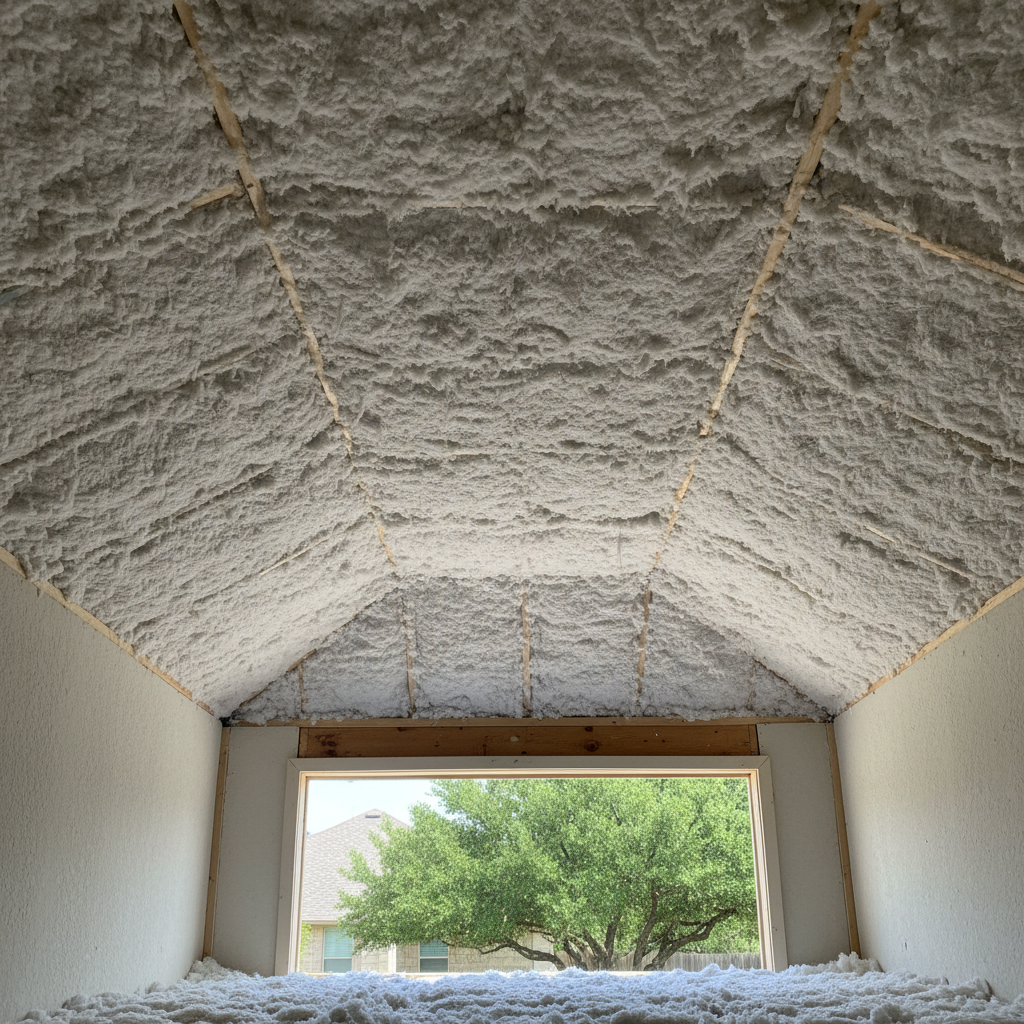
So, you're thinking about upgrading your attic insulation, maybe finally cutting down on those brutal summer AC bills, and blown-in insulation is on your radar. Smart move. It's a fantastic product, honestly, when it's put in correctly. But after all my years doing this work right here in Leander, I've seen folks make some pretty common — and often expensive — blunders when they're planning or hiring for a blown-in insulation job. Let's talk about what you really need to watch out for.
Mistake #1: Focusing Only on the R-Value Number
Everyone talks about R-value, and sure, it's important. It tells you how well the insulation resists heat flow, after all. But that's not the whole story, not by a long shot. You could have R-60 insulation, but if someone installed it poorly, you're still going to have problems. I see this happen a lot, especially in some of the older homes around the Travisso area where people just threw another layer on top without fixing the real issues underneath. A high R-value won't magically seal air leaks. It won't stop heat from radiating through an unsealed attic hatch, for crying out loud. It's kind of like putting a super thick blanket over a window that's wide open. You're still losing a ton of energy, right?
What you actually need is a complete thermal envelope. That means air sealing has to happen first, *then* you insulate. If a contractor just wants to blow in more insulation without even bothering to look for air leaks, that's a huge red flag. You'd be paying for insulation that simply won't perform like it should.
Mistake #2: Not Asking About the Type of Blown-In Material
There are a few different kinds of blown-in insulation, mostly cellulose and fiberglass. Both are good options, but they've got different characteristics. Cellulose usually comes from recycled paper, treated to resist fire. It's dense, and it can be really good at sealing up small gaps. Fiberglass, on the other hand, is made from glass fibers. It's lighter and doesn't settle as much over time. Each one has its own set of pros and cons.
Sometimes, contractors will push one type over the other because it's what they happen to stock or what they got a better deal on. A good contractor, like us at Horizon Insulation Solutions, will explain the differences clearly and help you pick what makes the most sense for your specific attic and budget. If they can't explain why they're recommending one over the other, or they act like there's only one choice, well, be cautious.
Mistake #3: Ignoring Ventilation
This one's a big deal, especially here in our hot, humid Leander climate. Your attic needs to breathe. Period. If you blow in insulation and accidentally block your soffit vents, you're just asking for trouble. You'll trap heat and moisture up there, which can lead to mold, shorten your shingle life, and even push more heat into your living space. It completely defeats the whole point of insulating, doesn't it?
A proper insulation job includes baffles at the eaves. These make sure that airflow from your soffit vents isn't blocked by the new insulation. If a crew is just up there blasting insulation everywhere without even thinking about your ventilation, they're doing it wrong. Always ask them how they plan to keep your attic properly ventilated.
Mistake #4: Not Getting a Clear Scope of Work (and Price)
You'd be surprised how many people get a quote that's just a number. No details. No breakdown of what they're actually doing. Then they're shocked when the job isn't what they expected or there are all these hidden costs. A reputable contractor will give you a detailed proposal that includes:
- The exact type of insulation.
- The R-value they're aiming for.
- Any air sealing work they'll do (and where, specifically).
- Ventilation considerations (like baffles, etc.).
- Prep work (such as clearing out old insulation if needed, though often not for blown-in over existing).
- How they'll clean up afterwards.
- The total cost, clearly itemized.
If you're getting a vague quote, or they're pressuring you to sign right away, pump the brakes. Seriously. You need to understand exactly what you're paying for and what the finished product will look like.
Mistake #5: Not Checking References or Reviews
In this day and age, there's just no excuse for not doing a little homework. Check online reviews. Ask for references from past customers. A good contractor will have plenty of happy clients and won't hesitate to share their contact info. If they don't have any, or they get defensive when you ask — that's a major warning sign.
You're inviting people into your home, and you're making a pretty significant investment. You want to work with someone reliable, someone who stands behind their work, and someone who knows what they're doing specifically for homes in our area. Don't just pick the cheapest guy or the first one who answers the phone. A little bit of due diligence upfront can save you a whole lot of headaches and money down the road.
Insulating your home is one of the best investments you can make, especially here in Central Texas where our summers are just brutal. Just make sure you're doing it right. Ask questions, understand the process, and don't settle for anything less than a thorough, professional job.